Portable Toilets to Rent for Contractors: East Bridgewater Delivery & Setup
When a jobsite is moving, bathrooms cannot be treated like an afterthought. I have watched crews lose momentum because someone assumed “we’ll figure it out,” only to end up scrambling when the first wave of trades shows up and the temporary facilities are missing, undersized, or not maintained. In East Bridgewater, that kind of delay hits harder than it should, because many projects involve tight schedules and coordinated deliveries. The right portable toilet rental, delivered and set up correctly, keeps workers comfortable, helps site managers stay temporary emergency toilets organized, and reduces the friction that can stall a day.
This guide is written for contractors, foremen, and project coordinators who need portable toilets on rent that actually work on real jobsites. We will focus on what matters most for portable toilet rental in East Bridgewater, how delivery and setup usually play out, and how to make the decision without overpaying or under-planning.
If you are searching for Porta Potty Rental East Bridgewater, or comparing porta potty rental options, you are likely trying to balance speed, reliability, and compliance. I will cover all three, plus the details that only show up once the units are on site.
What “delivery and setup” should mean on a construction schedule
Portable toilet rental companies can sound similar on paper. What differentiates one provider from another shows up during the practical parts of the job: when a truck needs to arrive, where the unit can legally and safely sit, how quickly it can be accessed, and what happens when conditions are not perfect.
In East Bridgewater, delivery often depends on the type of access you have. Some sites have a straight shot to the work zone. Others require the driver to stop near a driveway, cross uneven ground, or coordinate with concrete deliveries. A professional setup process should account for that without turning your schedule into a guessing game.
When I talk about setup, I do not mean “they left a unit and wished you luck.” Proper setup includes the essentials that protect the unit and the site:
- Placement so the unit is reachable for workers, not trapped behind equipment.
- Leveling and stabilization so the doors function properly and the unit does not rock.
- Secure connection points where required, especially for units that include accessories like sinks or handwashing stations.
- Clear guidance on where access for servicing will be, so pump-outs are not blocked later.
You can avoid most of the headaches by asking what their setup includes, and what they need from you to make it possible.
Choosing the right portable toilet for a crew size that actually changes
A common mistake is calculating based on the number of workers you expect on day one, then forgetting that crew sizes shift. Framing might run heavy, then plumbing arrives with fewer people, then a landscaping crew might take over. If you pick too small, you feel it immediately, not later. If you pick too large, you pay for capacity you do not use, and the extra units can create logistical issues.
Portable toilets to rent come in several categories, and the “right” choice depends on the job environment and worker mix. Some crews need basic standard units. Other jobs call for upgraded options due to senior staff, inspections, or accessibility requirements.
In practice, I usually approach the decision in two steps. First, I plan for the worst typical day, not the average. Second, I consider whether the job will run long enough that servicing frequency becomes a bigger factor than initial placement.
If the rental includes pump-out servicing, you also want to think through how long it will be between visits. For shorter projects, the initial capacity might carry you comfortably. For longer stretches, the service cadence becomes the main driver of odor control and cleanliness.
Standard porta potty versus upgraded units, and when “better” is worth it
Contractors sometimes treat portable toilets like commodity items. That can work when the job is short and the crew is small. On a bigger project, though, the difference between a standard unit and an upgraded model can show up in how often workers complain, whether the restroom feels usable in hot or cold weather, and how quickly the site manager can address issues without a replacement.
Upgraded portable toilet options often include features like better interior ventilation, improved surfaces, and sometimes built-in sinks or handwashing capabilities. Whether you need those upgrades depends on your site policy and the nature of the work. For example, if workers are handling materials that make hand hygiene more important, a unit with a handwashing setup can reduce friction and help you meet internal expectations.
I will also say this plainly: the cheapest unit is not always the cheapest when you factor in missed work time. If workers do not use the facilities because they feel unpleasant, you end up with downtime you cannot bill for.
Emergency portable toilet rental: when speed matters more than perfection
Sometimes the need is not planned. A delivery falls through, weather changes the schedule, or an existing facility becomes unavailable mid-project. That is when emergency portable toilet rental matters.
Emergency situations tend to have one shared reality: there is limited room to stage units, the site has less time for preparation, and the crew is already stressed. A strong rental provider handles emergencies with a clear process. They should ask the questions that determine feasibility quickly, like:
- Where can the truck access the site?
- Is the ground firm enough for placement?
- Are there any restrictions for placement distance from entrances or walkways?
- Do you need standard capacity or a specific style, such as accessibility-focused units?
From experience, the fastest outcomes come when the contractor has even basic site information ready. If you can share a quick plan view, or at least describe the best delivery route and where the unit can sit, you usually reduce back-and-forth.
Emergency does not have to mean sloppy. A professional company will still set the unit correctly, not just “get it there.”
Planning the placement: the part nobody wants to think about, but everyone pays for
Placement sounds simple until you are standing on uneven ground with wheelbarrows moving nearby. The right location keeps the restroom usable and reduces the chance of damage to the unit or safety risks.
On active construction sites, placement should consider:
- Worker flow: units should not be hidden behind fencing that gets moved mid-week.
- Safety: avoid areas where trucks back in frequently or where the ground is soft and could settle under the unit.
- Privacy and visibility: workers should feel comfortable using the unit, while still maintaining appropriate site control.
- Servicing access: if the servicing vehicle cannot reach the unit, your “rental” becomes an unsanitary problem.
This is where contractors can help the rental company by designating a stable, accessible spot ahead of time. Even small choices, like keeping the area clear of materials for a day, can make a noticeable difference in whether the next service is smooth.
Servicing and maintenance: what you are really renting
Most people think they are renting the unit. In reality, what you are renting is a maintained sanitation service with predictable performance.
A typical portable toilet rental arrangement in the contractor world includes a plan for servicing. That plan can vary based on usage, duration, and unit type, but the key is consistency. A well-run rental service will maintain standards between cleanings, manage odor control, and keep units functional so you are not calling for replacement on a busy week.
The contractor’s responsibility is not heavy, but it is real. You should expect to do basic site management, like keeping the access route clear and reporting damage quickly. If a unit gets tipped or vandalized, letting it sit without action increases the likelihood of a larger problem, including delays to cleanup and additional rental charges.
A detail that is easy to miss is signage and awareness. If workers are not directed to the location, they will treat the nearest corner like “the restroom.” The result is preventable mess outside the unit and extra labor to correct it.
A short, practical checklist for renting portable toilets for a jobsite
If you want the decision to be fast and defensible, use a checklist approach with your rental provider. Here is the kind of information that usually leads to the right portable toilets to rent plan on the first call:
- Your job start date, projected duration, and expected peak crew size
- Whether you need delivery only or delivery plus ongoing servicing
- The best access point for the delivery truck and the placement area
- Any requirements for accessibility units, handwashing, or special features
- A contact on site who can confirm placement and address issues quickly
If you can answer those items, you usually avoid the scenario where the wrong unit count is delivered, or the delivery driver arrives with limited placement options.
Common mistakes contractors make, and how to avoid them
I have seen the same issues repeat across projects, not because contractors make bad decisions, but because portable toilet planning is often squeezed between other urgent tasks. Here are the mistakes that most often cost time or money, and what to do instead.
First, underestimating turnover is the big one. If your crew will rotate or expand, plan for the peak usage. Portable toilet capacity does not scale with good intentions.
Second, ignoring access details is costly. Even a perfectly sized rental can fail if the unit is placed where it later blocks equipment movement, or where a pump truck cannot reach it. When you plan placement early, you prevent two problems: sanitation issues and operational headaches.
Third, treating “one unit per job” as a default assumption. Small sites sometimes can manage that, but contractor work typically involves enough foot traffic that one restroom becomes a bottleneck. Bottlenecks turn into workers leaving the job area more often, which creates safety and productivity risks.
Fourth, delaying communication with the rental company when issues arise. If something is not working, report it early. The sooner the provider can respond, the more likely it is that the fix is simple and fast.
Portable toilet rental companies: how to evaluate reliability without guessing
There are plenty of portable toilet rental companies, and the differences are not always visible until you compare their process. For contractors, reliability matters more than fancy marketing. The goal is predictable delivery dates, correct unit counts, and service that does not fall apart mid-project.
When you are comparing options, I suggest focusing on operational clarity. A dependable provider should be straightforward about delivery timelines, unit types, servicing schedules, and what they need from you to set up smoothly.
Here is a quick way to compare providers without turning the process into an all-day meeting:
- Ask how they confirm placement and access details before delivery
- Clarify what servicing includes and how often it will occur based on usage
- Check whether they can supply additional units if your crew expands
- Confirm who the point of contact is if you have an issue on site
- Make sure they describe what to do if a unit is damaged or obstructed
The reason this works is simple. Operational details predict outcomes. If a company is vague about the practical steps, you tend to get the same vagueness after delivery.
East Bridgewater delivery realities: access, timing, and weather considerations
East Bridgewater projects can vary widely, from smaller remodels to larger builds with more moving parts. In many cases, the delivery timing aligns with your staging plan. If you schedule other deliveries around the same window, you can reduce congestion and speed up setup.
Weather can also influence what you should rent and how you should place it. Cold snaps can affect how units perform and how workers feel about using them. Hot, humid stretches can amplify odor issues if servicing is not aligned with usage. A professional portable toilet rental plan anticipates both, usually by matching the unit type and servicing cadence to the expected conditions.
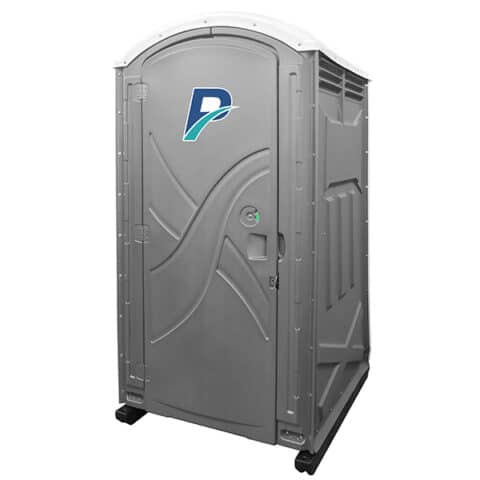
If your project runs through seasonal changes, it is worth discussing whether the provider can adjust service frequency. You are not trying to “micromanage.” You are trying to ensure the sanitation plan stays functional as conditions change.
Where Premier Portable Potties fits into the picture
If you are comparing options locally and you keep seeing Premier Portable Potties in your search results, it makes sense to look at how they handle the contractor side of the work. For many crews, the decision comes down to whether the provider can deliver and set up reliably, then keep units serviced as the job moves.
When you contact a provider like Premier Portable Potties, treat the call like a logistics review, not a sales pitch. Ask about delivery and setup mechanics, servicing expectations, and what they need from your site. A good provider will respond with clear answers, not just promises.
If you want Porta Potty Rental East Bridgewater specifically, the local focus matters because it often comes down to how quickly units can be delivered, how efficiently they can be serviced, and how well the provider understands typical site access challenges.
An example scenario: a multi-week contractor build that changes midstream
Let us walk through a realistic scenario I have seen play out in many forms.
A contractor starts a multi-week exterior project. On week one, the crew size is moderate, and they start with one standard unit. The first two days are fine. By day three, subcontractors arrive, and the job becomes busier than expected. The single unit becomes the meeting point, workers wait their turn, and the site manager starts hearing complaints about cleanliness and wait times.
In the second week, a second unit is added late. That helps, but it also introduces a new problem, servicing access and placement constraints. The new unit has to go somewhere that does not interfere with deliveries, and sometimes that means it is not in the best spot. If the provider and contractor had planned placement and servicing access earlier, the second unit could have been positioned for smoother ongoing use.
This is exactly why portable toilets on rent should be planned around peak usage and job flow, not only the first day. The goal is to prevent wait time and reduce the chance that workers start taking shortcuts.
Accessibility, handwashing, and internal job requirements
Every contractor has internal standards, even when external rules differ by project type. If your client requires additional amenities, or if your workforce includes members who need accessible accommodations, you should discuss that upfront.
Accessibility-focused portable toilet options can change how you plan placement and logistics. They may also require additional space for safe access. Handwashing accessories, when provided, can be a positive improvement for worker comfort and hygiene, especially when work involves frequent hand cleaning.
If you have requirements beyond a basic unit, bring them into the conversation before delivery day. It is much easier to finalize a plan while the site is ready for setup than to retrofit expectations after the units are already placed.
Questions to ask before you sign anything
You do not need a legal contract review to rent portable toilets, but you do need clarity. The best outcomes come from asking direct questions that protect your schedule and your site.
Think about asking these topics in plain language:
- What is the delivery window, and how close to it can you expect arrival?
- Are there options for unit types, including ADA-style or handwashing-enhanced models?
- How is servicing scheduled, and how do they adjust frequency if usage increases?
- Who handles issues on site, and how fast can they respond?
- What happens if the placement area changes due to evolving jobsite conditions?
A good provider wants you to succeed because repeat contractor clients drive referrals. The company should be willing to explain their process without treating it like a black box.
Keeping your portable restroom problem-free after delivery
Once the units are on site, most problems are preventable with basic management. It helps if your foreman or site lead sets expectations with the crew. For example, you want workers to know where the unit is and to understand it is the correct facility for restroom use.
If a unit gets blocked by equipment, it can delay servicing, which leads to cleanliness issues. If a unit door does not latch properly due to a placement or leveling problem, reporting it early can prevent damage.
A unit can also become a “hot spot” for site activity. That is not always the provider’s issue, it is simply how people behave on busy job sites. The solution is to keep the area around the unit clean and accessible. When the restroom stays easy to reach and easy to use, the entire site runs smoother.
The real cost of getting it wrong
Cost is important, but the real price of a poor rental plan is time. If workers wait, they lose minutes. If a unit is undersupplied, the bottleneck grows. If servicing is delayed, odor becomes a distraction and the site manager spends time handling sanitation complaints instead of solving job problems.
An organized rental plan reduces that friction. It supports crew comfort, protects your schedule, and helps you avoid the emergency scramble that can be more expensive than properly scheduled portable toilets on rent.
That is why contractors who work often in East Bridgewater tend to approach the rental process like they approach materials. They plan for quantities, delivery windows, and access. They do not treat it as a last-minute task.
Final thoughts for contractors planning Porta Potty Rental East Bridgewater
Portable toilet rental is one of those jobsite services where experience matters. The best results come from matching unit type and quantity to peak usage, planning placement for both worker access and servicing access, and staying responsive if conditions change.
If you are looking for Porta Potty Rental East Bridgewater, or you need portable toilets to rent for a project that is already underway, prioritize a provider that can handle delivery and setup with clear logistics. If you are dealing with timing pressure, emergency portable toilet rental becomes a test of how well the provider can react without sacrificing correct placement and service readiness.
Local contractors often choose providers that understand that the unit is not the only thing you are paying for. You are paying for dependable sanitation service, predictable execution, and fewer surprises.
Premier Portable Potties is worth considering if your priority is smooth delivery and practical setup. Still, the smartest move is to treat any portable toilet rental company like a logistics partner. Ask the hard questions, confirm access details, and match the plan to your real job flow. When you do that, portable sanitation becomes one less problem to manage, and the work stays focused where it belongs.
Premier Portable Potties
35 Industrial Dr, East Bridgewater, MA 02333, United States
(774) 444-6997
[email protected]
website: https://www.premier.boston/