Portable Toilet Rental Options in East Bridgewater: What You Get and What It Costs
When you are planning a job site, a backyard event, or an urgent cleanup, a portable bathroom looks like a simple line item until the day it is needed. In East Bridgewater, the difference between a smooth setup and an awkward scramble often comes down to two things: choosing the right type of unit and getting the details right on delivery, placement, service frequency, and total cost.
This guide walks through the main Portable Toilet Rental options you will see locally, what you typically get with each, and how the pricing usually works for Porta Potty Rental East Bridgewater and nearby areas. I will also call out the edge cases that catch people off guard, like tight driveways, ADA needs, and what happens when a job runs longer than the rental window.
The rental decision starts with the real use case
Portable toilets on rent are not one-size-fits-all. “We need something for a day” and “we need something for two weeks with multiple trades” are very different requests, not just in comfort but in how often the unit must be serviced.
On a smaller event, like a community fundraiser, you can often get by with standard units as long as the number of attendees is reasonable and the timing is concentrated. On a construction site, you usually need a plan for ongoing use, especially if there are multiple shifts. The unit choice and service schedule can change the overall cost more than anything else.
Here is the practical way I think about it: if the portable toilet is just a convenience, you can prioritize availability. If it becomes a work requirement, you prioritize uptime and restocking cycles. That is where a provider like Premier Portable Potties tends to matter, because a reliable schedule reduces the chance of waiting for service.
The most common portable toilet types in East Bridgewater
Most local portable toilets to rent fall into a few categories. Names vary by company, but the experience is pretty consistent. Standard units are the entry point. Add-ons and upgraded models target odor control, handwashing needs, and user comfort.
Standard porta potties (the practical baseline)
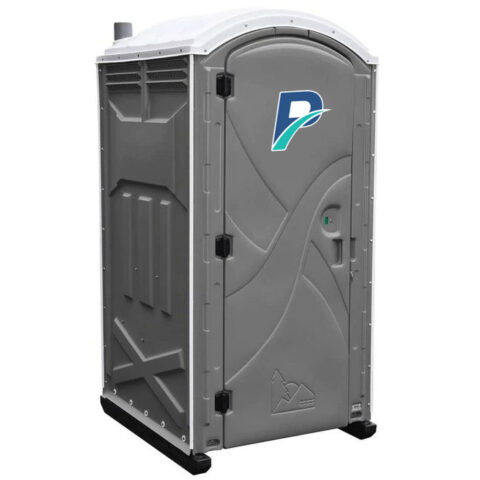
A standard Porta Potty Rental unit is the workhorse option. You get a self-contained toilet with a sealed waste holding tank and a basic structure designed for outdoor use. These are typically the best match for construction staging, short events, and situations where budget and availability are the priority.
What you usually do not get with the baseline unit is a full handwashing setup. Some suppliers offer a small dispenser option, but the “sink and running water” experience is not built into most standard models. If hand hygiene is a must, you will often add separate handwashing stations or select a unit tier that includes them.
Deluxe and comfort-focused units
Once you move into deluxe territory, the goal is comfort and cleanliness. Deluxe portable toilets often use better ventilation, improved surfaces, and sometimes a more spacious interior. If you have a family-friendly event or a customer-facing site (think hosted open houses or outdoor receptions), the upgraded experience tends to reduce complaints.
These units can still be self-contained, but the details can make a difference in how often users report odor, how easy it is to keep the unit looking presentable, and how it holds up during heavy use.
ADA-compliant units for accessibility
If accessibility is required, you want an ADA-style portable toilet that is designed for wheelchair access. The internal layout, door positioning, and overall footprint are what matter, not just the label.
One thing people miss: ADA units often require planning for placement. A smooth path, stable ground, and enough clearance around the entry area are not optional. If you place it where delivery can reach but users cannot comfortably approach, you create a problem you will have to fix quickly, and sometimes at additional cost.
When you ask for an accessible unit, also ask about how the provider will handle leveling and safe access. That is usually part of the delivery process rather than something you figure out after the fact.
Emergency portable toilet rental (when time is tight)
Emergency emergency portable toilet rental is exactly what it sounds like: you need a unit fast, often due to a delay, a failed septic situation, or an unexpected event change. In East Bridgewater, emergencies usually come from a few recurring scenarios, like a restroom becoming unavailable on short notice.
Emergency service can cost more because of rush dispatch and tighter scheduling windows. But if you treat it like a real plan instead of a last-second guess, you still save money. For example, asking the provider for the earliest realistic delivery slot, confirming the setup location, and specifying how many units you actually need helps avoid paying for the wrong quantity.
What you get with a typical Portable Toilet Rental order
People assume portable toilet rental pricing is just “daily rate plus delivery.” In practice, what you get depends on your specific package and the service terms in the contract. Still, most standard rentals include a similar backbone: delivery, setup, a waste holding tank, and the option for pickup at the end of the rental period.
If you are comparing quotes, look closely at what is included in that “rental” time. Some companies treat the rental duration like a strict calendar window, others align it to days of active use, and a few structure it based on restroom rentals near me service intervals. You can prevent surprise costs by asking how service days are counted.
A simple “quote comparison” mindset
When you request pricing, you want the quote to tell you what happens before and after the rental period. The easiest way I have found is to ask for a breakdown in plain language. You should end up with clarity on delivery, number of units, service schedule, and pickup.
Here is a quick snapshot of the common components you will see in a well-structured order.
- Delivery and setup at your site or event location
- Pickup and removal after the rental ends
- Waste servicing based on the service frequency you choose
- Basic safety and placement considerations for the unit type
- Optional add-ons like handwashing stations or upgraded comfort features
If your quote does not mention servicing frequency and pickup timing, that is a red flag. You can absolutely rent units without scheduled servicing for a very short window, but for anything longer, you need the maintenance plan spelled out.
How portable toilet rental costs usually work in East Bridgewater
Pricing for a Portable Toilet Rental in East Bridgewater is usually driven by a handful of variables. I am not going to pretend every provider charges the same way, because the local market can differ by unit type, demand level, and how service is scheduled. But the cost drivers are consistent.
1) Unit type and tier
Standard porta potties are typically the lowest cost option. Deluxe or comfort units cost more due to construction and higher perceived value. ADA-compliant units also cost more, partly because they require specific equipment and placement planning.
If you want a specific tier, it is worth comparing a couple of providers, but do not shop solely on the cheapest rate per day. A slightly higher daily cost can be cheaper overall if the servicing schedule is included more clearly, or if the quote reflects the right number of units.
2) Quantity and what “enough” means
The number of units affects total price immediately, but it also affects user experience. Underestimating demand often leads to overcrowding and rushed service pickups. Overestimating can leave money sitting unused.
There are rules of thumb used by event planners and job site managers, but your real-world usage depends on how long the event runs, whether there are alcohol service periods, and whether the site has employees who work continuously.
If you are ordering for a job site, think about shifts and work breaks. For events, think about peak arrival waves. If you are unsure, ask the provider for a recommendation based on your estimated headcount and duration.
3) Rental duration and service frequency
Many rentals include a baseline plan for days and servicing. If you rent for a weekend, you might only need initial delivery and then pickup, depending on usage. If you rent for a week or more, you almost always need planned servicing visits.
The cost often changes when you move from “deliver, then pick up” to “deliver, then service multiple times.” That is usually where the pricing jumps, because servicing requires labor and logistics.
4) Delivery and placement complexity
If your site is easy to access, costs can stay lower. If you have a narrow driveway, soft ground that requires extra placement care, or a location where a unit cannot be set on the first pass, the provider may need extra time or specific equipment.
Even something like heavy rain can make placement more complicated, because the ground can shift. You do not want to end up with a unit placed on unstable surfaces. A professional provider will consider this during setup, and that can affect turnaround time.
5) Add-ons
Add-ons are often where people accidentally overspend, or where they forget they need something and then scramble later.
Handwashing stations are a common add-on. Lighting can matter for evening events. Some rentals include accessories designed to reduce mess or improve usability. These features can add cost, but they can also prevent problems like queues or poor hygiene outcomes.
6) Emergency timing and scheduling
Emergency orders can be priced higher because they interrupt the provider’s route planning. If you call late afternoon for a next-day event, you might see a rush fee. The upside is obvious: you avoid losing the event or operating without required facilities.
The best approach is to be ready with your key details before you call: exact delivery address, preferred drop-off time window, number of units, and whether you need standard, deluxe, or ADA.
A realistic cost example (with ranges, not promises)
Because pricing is not standardized like a vending machine, I will frame examples as typical ranges and scenarios rather than exact numbers. The actual quotes you receive in East Bridgewater will depend on availability and how service is scheduled.
- Single standard porta potty for a short event (1 to 2 days): often priced like a minimum service package, with delivery and pickup included, and sometimes no mid-rental service if usage stays light.
- Multiple standard units for a weekend with higher attendance: costs rise quickly with quantity, and servicing visits may be included or scheduled based on the provider’s recommended frequency.
- Week-long construction rental: total cost is usually dominated by unit count and servicing cycles. Even if each unit rate seems reasonable, the repeated service visits are what add up.
- ADA unit added to the plan: expect a higher per-unit cost and sometimes placement and access considerations that require coordination.
- Emergency portable toilet rental: likely higher due to dispatch urgency, but it can still be the cheapest option compared to losing access to restroom facilities or paying for slower alternatives.
If you want, tell me your event dates, approximate headcount, and whether it is a job site or an event. I can help you think through what options usually make sense so you can ask the right questions and avoid overpaying.
Choosing the right quantity: how to avoid the two common mistakes
Two mistakes happen more often than people realize. One is ordering too few units, which creates long lines and irritated users. The other is ordering too many units and paying for idle capacity that never gets used.
To estimate correctly, you need to know not only “how many people,” but how long they will use the facilities and whether use is concentrated. A 3-hour outdoor festival draws peak foot traffic and then empties out. A construction crew arrives, works, and returns to the same units repeatedly over the day.
Here is a compact way to think about it without turning your planning into math homework.
- If your event is short and daytime only, a smaller number of standard units can work
- If you have multiple shifts or long working days, plan for repeat usage and servicing
- If you have families, food service, or alcohol, expect restroom demand to spike
- If you need ADA access, do not treat it as “optional extra,” plan for the correct setup
- If you are unsure, it is usually better to add one extra unit than to wait for complaints
That last point is not about wasting money. It is about protecting your schedule and reputation. Complaints spread fast, and once a restroom line forms, people make decisions they cannot easily reverse.
Placement details that affect cost and usability
Placement is where “it looked fine on paper” turns into a real-world problem. A portable toilet might be technically delivered, but if it is placed poorly, you can create safety issues or reduce usability, especially at night.
I have seen installs go wrong for reasons that are easy to prevent:
- Putting units on ground that softens after rain, which causes wobble and unpleasant experiences
- Placing a unit too close to a walkway where odors travel, or where users feel exposed
- Blocking access paths for emergency vehicles or maintenance staff
- Ignoring the need for space around the door so people can approach and exit comfortably
A professional setup considers these factors during delivery. When you call for portable toilets on rent, ask how they handle leveling, ground conditions, and placement guidance. Good providers are direct and practical, not vague.
Service schedules: the difference between “rented” and “managed”
The phrase “delivered and picked up” is comforting, but it does not equal management. If your project lasts longer than a few days, you should plan servicing from the start.
For many jobs, the provider’s servicing frequency is tied to usage intensity and the rental term. If you plan only for an end-of-rental pickup but the unit needs attention mid-period, you can end up paying for a rushed service adjustment later. The cleanup logistics can be less efficient during the crunch.
Also, servicing is not just about waste volume. It affects cleanliness, odor control, and user satisfaction. Even if the unit “still functions,” people judge by what they experience, not what the tank might still hold.
If you are dealing with multiple units, ask whether servicing is coordinated to minimize disruption. A thoughtful schedule protects both your site flow and the provider’s route efficiency, which can matter for cost.
Handwashing and hygiene options that people underestimate
Portable toilets handle waste, but hygiene is the other half of the restroom experience. Standard units do not automatically solve handwashing, so if you have a public-facing event, food service, or a family crowd, you should plan the rest of the hygiene setup.
In practical terms, that often means adding a handwashing station or ensuring there is another reliable hand hygiene process on site. Even when handwashing is not legally required for your scenario, it is usually a quality and comfort improvement that reduces complaints.
If you are budgeting, think of hygiene add-ons as insurance. You might not see the value immediately, but you will feel it when people have a quick way to clean up.
Emergency portable toilet rental: what to ask so it does not cost more than it should
When you need an emergency response, you often get tempted to ask only “how fast can you deliver.” Speed matters, but the real savings come from matching the unit type and quantity correctly the first time.
Before your provider confirms anything, ask these details in the same call if possible:
- How soon can they deliver the unit type you need
- Whether servicing is included for your expected duration
- Where the unit will be placed and whether site access requirements apply
- What happens if usage is higher than expected
- Whether you can adjust the count or upgrade later without redoing everything
Good providers handle emergencies without drama, but your preparation helps them route correctly. That reduces rush fees and reduces the chance of adding costs from changes after delivery.
Common questions that change the final price
A lot of pricing confusion comes from assumptions. Here are the questions I suggest you ask so the quote stays accurate.
How long is the rental counted as, calendar days or service days? If you book delivery Friday and pickup Monday, you want to know exactly what that means operationally.
What service frequency is included, and what triggers additional service calls? If you do not use the unit much, you might not need extra visits. If you underestimate demand, you might.
Are there any fees for difficult access, like gates, steep grades, or limited drop-off space? Even small access constraints can translate to extra labor time.
What unit type is actually recommended, standard versus deluxe versus ADA, based on your usage? Sometimes the cheapest unit is cheap for a reason, and it shows up later in comfort or cleanliness.
A quick decision guide for East Bridgewater planners
If you are trying to decide between options quickly, think in terms of your expected user experience. A construction supervisor usually cares about function, durability, and predictable service. A festival organizer often cares about cleanliness and crowd flow. A host for a formal event cares about comfort and presentation.
A standard unit can be perfect for many job sites and daytime events, especially when servicing is planned. Deluxe units make sense when you are dealing with higher expectations or want fewer complaints. ADA units are essential when accessibility is required, and the placement plan needs attention.
And if you are in a pinch, emergency portable toilet rental can get you operational fast, but the price is usually tied to how quickly you can finalize key details. The faster you can answer “where, how many, what type, and how long,” the more accurately you can budget.
Where to land: a practical checklist before you sign
You do not need to become an expert in sanitation logistics to rent the right portable bathroom. You just need to reduce the guesswork. The most reliable approach is to confirm the essentials in writing and make sure your quote reflects your actual plan for service and placement.
If you are booking Porta Potty Rental East Bridgewater and want to protect your budget, use a short internal review with your team. Decide whether you need standard or deluxe comfort, whether an ADA unit is required, and how you will handle hand hygiene.
Then, ask the provider to confirm the schedule. Once you have delivery day, service frequency, and pickup timing clarified, the total cost becomes easier to trust. That is when portable toilets to rent stop feeling like a gamble and start feeling like a dependable part of your setup, whether it is a long construction run or a one-time event with tight timelines.
Premier Portable Potties
35 Industrial Dr, East Bridgewater, MA 02333, United States
(774) 444-6997
[email protected]
website: https://www.premier.boston/