Porta Potty Rental East Bridgewater for Job Sites: What to Expect
When a construction crew shows up in East Bridgewater, the site needs more than good footing and the right permits. It needs a reliable bathroom plan. That’s where Porta Potty Rental East Bridgewater comes in.
Portable toilets are one of those supplies that can feel optional right up until they are not. A missing unit slows down work, creates compliance headaches, and turns small frustrations into big delays. If you are scheduling a job site for a commercial build, a remodel, a roofing project, or even a large property cleanout, understanding what to expect from portable toilets on rent helps you get the right setup the first time.
This guide walks through how rentals typically work in East Bridgewater, how to choose the correct unit count, what happens during delivery and placement, and what your responsibilities are after the porta potties land on site.
Why job sites in East Bridgewater use portable toilets
Job sites have a simple reality: restroom access is often limited, unpredictable, or far from where people actually work. Even if there is a nearby building that “might be available,” relying on it usually breaks down for reasons like:
- changing work zones during the day
- security requirements that restrict access
- people arriving at different times for different scopes
- the bathrooms being too busy or not set up for high turnover
Portable units solve the logistical problem immediately. They give crews, subcontractors, inspectors, and delivery drivers a consistent option that does not depend on whether the site office is open or whether someone can lock and unlock access.
There’s also the practical benefit of sanitation. A rental company isn’t just dropping off a box and walking away. The better portable toilet rental companies plan for servicing, restocking, and removal, so the units stay usable throughout the project window.
If you’re exploring Premier Portable Potties, or any local provider offering portable toilets to rent, the goal is the same: keep workers comfortable, reduce downtime, and keep the site running smoothly.
The first decision: what kind of portable toilet rental do you actually need?
“Porta potty” often gets used as a catch-all, but rental units come in different configurations. For job sites, the biggest drivers are occupancy and site conditions.
Most projects start with standard portable toilets, which handle typical daily use and fit most work schedules. But some jobs benefit from upgraded options, especially when the workforce is larger or the site has higher expectations for cleanliness and space.
For example, a multi-day commercial job might start with a baseline number of units and add another when the schedule ramps up. A short-term event-style job might only portable toilets on rent need a small number of units delivered close to the start date. A demolition or heavy debris cleanup sometimes needs more units than you would assume because workers rotate more frequently and bathrooms get used more often than on a tidy interior job.
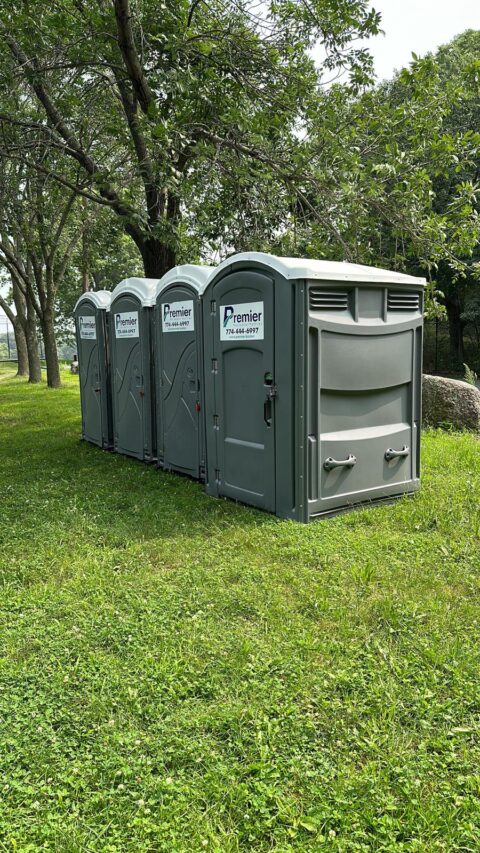
When people start comparing portable toilet rental companies, they are usually comparing three things:
- The types of units available
- The servicing plan during the project
- The coordination of delivery and pickup around the job schedule
That last point matters a lot. If you need an emergency portable toilet rental, you want a provider who can respond quickly and still deliver the right number of units rather than forcing a one-unit compromise.
How to estimate the number of porta potties for a job site
The number of units you need is the difference between a smooth site and a site where people waste time waiting. Estimating accurately means thinking about how many workers will be on site at once, not just how many total people will pass through over the week.
A good rule of thumb is to estimate peak occupancy. Then plan for the fact that bathroom use tends to cluster around breaks, shift changes, and start times. If your crew arrives in waves, even a moderate total workforce can create spikes.
Here’s a practical sizing approach that many site managers use, expressed as a simple planning checklist:
- Count the maximum number of workers on site at the same time
- Estimate the job duration, then assume higher use early in the shift
- Add extra capacity if workers will be on site continuously or without frequent breaks
- Consider whether the job has multiple teams rotating work areas
- Ask for a site-specific recommendation from the rental provider
Even with a solid estimate, it’s smart to build in some flexibility. If a subcontractor ramps up unexpectedly, you do not want to discover the problem halfway through the second week when restrooms become a bottleneck.
In East Bridgewater, a common best practice is to discuss the schedule with the provider before delivery so the servicing timing matches how the site operates. That’s the difference between “we have units” and “the units are always usable.”
Delivery and placement: what you should expect on the day the units arrive
Delivery is usually straightforward, but the details can make or break the placement. Portable toilets need to be positioned for access, safe use, and convenient servicing.
Typical delivery looks like this: the rental company schedules drop-off during a window that aligns with your site availability. Someone from the job site, or an assigned representative, should be ready to confirm the location. If the placement area is unclear or blocked by materials, vehicles, or active machinery, it can create delays.
Placement is not just about convenience for workers. It also affects service routes and how easily the unit can be maintained. A smart placement keeps the porta potties from becoming an obstruction while still being close enough that people do not cut across restricted zones.
In practice, you’ll want to select spots that are:
- accessible on foot from the work areas without walking through unsafe areas
- on stable ground that can support the unit and allow servicing equipment access
- positioned with enough clearance for workers to use the unit without interference
- placed so pickup later is not blocked by fences, equipment, or stored materials
If you are coordinating multiple trades, it’s also worth aligning on who controls the site gates and where workers are allowed to walk. Some jobs have strict site rules, and if the porta potties are outside the practical traffic flow, people start using them less, which can create sanitation problems and reduced compliance.
Servicing and restocking: what “rent” actually means day-to-day
A porta potty rental is not only a delivery. It’s a maintenance cycle. Most rentals include servicing visits based on the expected usage and rental duration. The exact cadence varies by provider and job conditions, so it’s important to get the plan in writing and understand what happens if usage is higher than expected.
Servicing typically includes:
- pumping and cleaning the holding tank
- restocking supplies such as toilet paper and hand sanitizer (depending on the unit setup)
- addressing issues like odors, residue buildup, or operational problems
If your project involves intense use, you may need more frequent service visits. If your project is lower occupancy, the servicing schedule may be less frequent. Either way, a reputable provider should be transparent about the process so you can forecast downtime and avoid surprises.
This is where a local provider’s experience matters. If the provider has delivered units in East Bridgewater before, they are likely better at coordinating around common site realities such as delivery access, weather delays, and how construction schedules adjust week to week.
What to do if you need emergency portable toilet rental
Emergency situations usually follow a pattern. Either a unit arrived later than planned, the project expanded faster than expected, or a service disruption created downtime that you cannot afford.
When you call for emergency portable toilet rental, the provider will usually ask questions quickly. They need enough information to match the right number of units to the urgency and usage. Be ready with details like:
- the number of workers on site now and planned for the next few days
- whether the job has standard hours or shifts
- the site location details and where the unit can be placed immediately
- any existing units you have, and whether they are currently in service
The trade-off with emergency rentals is scheduling speed. A fast delivery can be worth the slight premium, but you still want correct sizing. One unit added late is better than none, but it might not solve the operational bottleneck if demand is high.
A good provider will balance speed with functionality, rather than pushing an under-sized setup just to satisfy a deadline.
Common job site mistakes that reduce comfort or increase problems
Portable toilets work well when the job site supports them. When crews treat porta potties like a “set it and forget it” convenience, issues appear.
Here are a few frequent problems that can be avoided with simple planning:
- placing units where they are inconvenient to reach, so people delay using them
- blocking access with construction materials or parking vehicles
- forgetting that servicing requires space for the service vehicle and equipment approach
- underestimating peak use during shift changes and breaks
- not informing the provider about schedule changes or work ramp-ups
If the site has multiple entrances, clarify which entrance workers will use. That small detail can help keep porta potties aligned with human traffic. If workers have to wander through a construction zone, you lose the benefit of having units available, and you increase safety concerns.
Also, pay attention to weather conditions. Rain, snow, and muddy ground can make access difficult. When placement is done carefully, units remain usable, and servicing is less likely to be delayed.
Safety and site coordination: making placement work for everyone
Even though porta potties are simple, they still need to be managed like equipment on a live site. Workers should be able to use them without crossing hazardous areas or stepping into unstable ground.
This is one reason many job sites establish basic rules around restroom access and respect for the units. A rental company can deliver and service, but it’s the job site that controls traffic flow.
Here’s a short placement guidance checklist that helps keep things safe and functional:
- Choose stable ground and avoid placing units where they can tip or tilt
- Keep walking paths clear and well-lit if the site runs after dark
- Maintain clearance around the unit for door access and safe use
- Ensure the location supports planned servicing access later
- Coordinate with site leadership so workers know where the units are
If you have a fenced site, consider whether the porta potties are inside the secure perimeter. People will use what is easiest to access. If the units end up outside the areas contractors are allowed to enter, you’ll see the exact opposite of what the rental was meant to accomplish.
Choosing between standard units and upgraded options
Not every job needs premium. But some jobs do.
Standard portable toilets are typically the go-to for many work sites because they are practical and cost-effective. Upgraded units can make sense when you have factors like increased public-facing work, high worker comfort expectations, longer rental durations, or situations where hygiene and cleanliness perception matter more.
You might also consider upgraded options if your project involves a mix of workers and visitors who may have different comfort needs. In some cases, a site manager will start with standard units, then upgrade mid-project if they see issues like frequent complaints, high odor complaints, or visible cleanliness problems.
The main question to ask is: what is your priority? If schedule reliability and baseline sanitation are the priority, standard units often fit well. If staff comfort and cleanliness matter heavily, an upgraded option can prevent morale issues and reduce the “waiting and complaining” effect that can develop when restrooms are not meeting expectations.
Either way, when you talk to portable toilets on rent providers, ask what is included in the maintenance plan. Upgrades are only useful if the service schedule matches the usage.
Portable toilets on rent vs buying: why rentals usually win for job sites
Many people compare renting versus buying because a purchased unit sounds like an asset. But on most job sites, rentals provide a better fit.
Buying makes sense only if you will reuse the unit frequently across multiple projects, handle pumping and cleaning yourself, and have storage space that stays dry and protected between uses. Most job sites do not operate like that.
Renting is typically easier because the provider handles the maintenance workflow. You get predictable service, scheduled pickups, and the option to adjust the number of units as the job evolves.
That evolution is a big deal. Contractors often plan for one workforce size and then see changes when the schedule shifts. With rentals, you can often modify the plan by adding units or adjusting service frequency. With a purchase, changes tend to be more expensive and slow.
So when you search for portable toilets to rent or evaluate portable toilet rental companies, it’s worth focusing on the flexibility built into the rental relationship, not just the initial delivery cost.
Working with a rental company in East Bridgewater: questions worth asking
A good rental experience is less about marketing and more about clarity. When choosing Porta Potty Rental East Bridgewater services, ask practical questions that protect your schedule.
Here are a few you can use in a call or email, written in plain language:
- What is the expected servicing frequency for my job?
- What is included in the restocking supplies?
- How do you handle changes if worker counts increase?
- Are there any access restrictions for delivery or servicing?
- What happens if we need additional units on short notice?
You want answers that describe real process, not vague promises. If a company can explain how they coordinate delivery windows and servicing routes, that’s a strong sign they can handle a typical job site workload.
For providers like Premier Portable Potties, or any similar vendor, the best indicator is consistency: clear communication, defined service intervals, and an easy process for requesting changes.
A realistic scenario: what happens on a typical multi-week job
Picture a commercial renovation running for several weeks. The first week is lighter while the site is staged. The workforce increases later as demolition completes and framing or finishing starts. If the porta potties are ordered only based on the early schedule, the restrooms can get overloaded in week two or week three.
In a well-managed rental setup, that does not become a crisis. The job site plans the peak occupancy and schedules the servicing cadence for that reality. If they did not anticipate the ramp-up, they still have options, such as adding an extra unit during the second week and adjusting service frequency so the units remain functional.
This is why a provider that understands job site dynamics is valuable. They can often anticipate common patterns, like when trade crews show up and when usage usually spikes.
Environmental and odor control considerations
Portable toilets are designed to manage waste containment and reduce odor, but odor control is also affected by servicing timing and proper use. If the unit is serviced on schedule and the placement supports access and sanitation, odor issues typically stay manageable.
If servicing is delayed or demand spikes, odor can become more noticeable. That does not automatically mean something is wrong with the unit, it can mean the maintenance schedule no longer matches usage.
For job site leadership, the best response is not to ignore the problem. Contact the provider as soon as you notice issues. They can often recommend immediate adjustments, whether that means additional Find out more service frequency, an extra unit to reduce load per toilet, or a different placement strategy.
Pickup day: what to expect when the rental ends
Pickup is another place where planning matters. When the project ends or the rental period finishes, the units are removed. If access paths are blocked or the site is reorganized at the last minute, pickup can be delayed.
A smooth pickup looks like this: the site assigns someone to coordinate the pickup window, clears the area around the units, and ensures the service vehicle can approach safely.
If your project ends abruptly, like a suspension in work or a paused schedule, ask the provider how they handle storage or adjusted pickup timing. Some jobs run into short pauses, and leadership needs to know what happens to the rental terms and servicing.
The more clearly you communicate schedule changes, the more likely you are to avoid last-minute surprises.
Pricing factors that can affect your final cost
Cost varies depending on the rental duration, unit type, service frequency, delivery and pickup logistics, and the number of units. Even within the same area, different job site conditions can shift pricing. For example, limited access, complex staging, or changing schedules can affect how delivery and servicing are planned.
The most practical approach is to request a quote that breaks down what’s included rather than comparing apples to oranges. A slightly higher price can be cheaper overall if it includes more frequent servicing or supports modifications during the project.
When people compare portable toilet rental companies, they sometimes focus only on the daily unit rate. The better comparison includes maintenance terms and how easily the provider can adjust your plan if the job changes.
Making the rental work for your crew, not just your paperwork
The real test of a porta potty rental is how the crew experiences it. If the units are placed conveniently, serviced on time, and maintained consistently, workers stop thinking about the toilets. They just use them and move on.
That mindset is valuable. It protects morale and keeps work moving. It also prevents a common situation where crews start making informal arrangements, like walking off site for restroom breaks or asking for access to facilities that are not meant for frequent use.
For job leadership, the portable toilet system becomes part of site management. It’s not glamorous, but it is operational. In the end, the best portable toilet rental companies make it simple: schedule the delivery, confirm placement, understand servicing, and adjust if the job shifts.
If you are planning Porta Potty Rental East Bridgewater for a job site, treat it like you would treat any other critical support item. Plan for peak usage. Coordinate access. Confirm service frequency. When those pieces line up, the units do exactly what they’re supposed to do, quietly and reliably, while your project keeps moving.
Premier Portable Potties
35 Industrial Dr, East Bridgewater, MA 02333, United States
(774) 444-6997
[email protected]
website: https://www.premier.boston/